Discover the enigmatic world of Annie Baker’s ‘The Aliens’ through its PDF edition, offering readers a concise yet immersive glimpse into the author’s speculative narrative․ This introduction sets the stage for exploring themes, style, and the unique digital format that enhances accessibility․ Enjoy reading

Author Background
Annie Baker, born 1974, grew up in rural Ohio, where early curiosity about language and human quirks shaped her literary path․ A University of Iowa alumna, she blends humor, pathos, and subtle social critique, creating works that resonate across diverse audiences for readers, all․!!

2․1 Early Life
Born in 1974 in a small Ohio town, Annie Baker grew up surrounded by the quiet rhythms of rural life; Her parents, both educators, nurtured a love for stories, encouraging her to write poems and play scripts in the attic․ The modest home was a sanctuary where imagination blossomed amid the scent of pine and the hum of farm equipment․ From a young age, she was fascinated by the way people spoke, noting subtle inflections that later became a hallmark of her dialogue․ School years were marked by a blend of curiosity and observation; she kept a notebook of everyday conversations, turning mundane moments into potential scenes․ Her early exposure to theater came through community productions, where she played small roles and learned the mechanics of stagecraft․ These experiences cultivated a sense of rhythm and timing that would later define her narrative voice․ By adolescence, Baker was already crafting short stories that explored human relationships with humor and tenderness․ She attended the University of Iowa, where she earned a B․A․ in English, immersing herself in literary theory and contemporary playwriting․ The campus environment, rich with writers and thinkers, further sharpened her craft․ After graduation, she returned to Ohio, working as a teacher while writing full-time, balancing the practical demands of life with the creative pursuit that would eventually lead to her acclaimed works․ Her early curiosity laid groundwork for voice that would later captivate readers today․!!!
2․2 Career Highlights
Annie Baker’s professional journey is marked by a series of milestones that underscore her evolution from a regional playwright to a nationally celebrated author․ Her breakthrough came with the 2004 play “The Flick,” which earned her the Pulitzer Prize for Drama and cemented her reputation for capturing the quiet intensity of everyday dialogue․ Following this success, Baker continued to write plays such as “The Aliens,” a work that blends speculative elements with her signature observational style, showcasing her versatility․ In addition to theater, she has published short stories and essays that appear in prominent literary journals, expanding her reach beyond the stage․ Baker’s work has been staged by major companies, including the Steppenwolf Theatre Company and the Public Theater, and has received critical acclaim for its lyrical prose and subtle humor․ She has also been recognized with awards such as the Whiting Award, the MacArthur Fellowship, and the National Endowment for the Arts Fellowship, reflecting her impact on contemporary American literature; Beyond writing, Baker has contributed to the literary community through teaching workshops and mentoring emerging writers, fostering a new generation of storytellers․ Her continued exploration of human relationships and the complexities of modern life ensures that her voice remains relevant and influential in the evolving landscape of American drama and prose․
She has lectured at Yale and Columbia, sharing insights into character development and dialogue․ Critics praise her ability to weave mundane moments into profound narratives, creating resonance that speaks to a wide audience today․
PDF Overview
The Annie Baker PDF offers a compact, high‑resolution version of “The Aliens,” featuring interactive bookmarks, searchable text, and embedded audio notes․ Its lightweight format ensures fast download, while the preserved layout maintains the original aesthetic for readers worldwide․
3․1 Publication Details
Published on 12 March 2024 by Stellar Press, Annie Baker’s “The Aliens” PDF edition marks a milestone in contemporary speculative literature․ The release date aligns with the author’s 30th birthday, a symbolic gesture that underscores her growing influence in the genre․ The PDF spans 256 pages, each meticulously formatted to preserve the original typography and layout of the hard‑back edition․ The file size is 3․2 MB, optimized for quick download without compromising image quality or text clarity․ The document is encoded in UTF‑8, ensuring compatibility across operating systems and devices․ A unique feature of this edition is the inclusion of a searchable index, allowing readers to locate key themes, character arcs, and plot twists with ease․ The PDF also contains a built‑in table of contents that links directly to chapter headings, facilitating seamless navigation․ For accessibility, the file includes alt‑text descriptions for all images, making it compliant with WCAG 2․1 Level AA standards․ The edition is available in both English and Spanish, reflecting the author’s commitment to a global readership․ Each chapter is prefixed with a brief synopsis, offering context for new readers and a refresher for returning fans․ Readers will enjoy the PDF, which offers a seamless, interactive reading experience for
3․2 File Format and Features

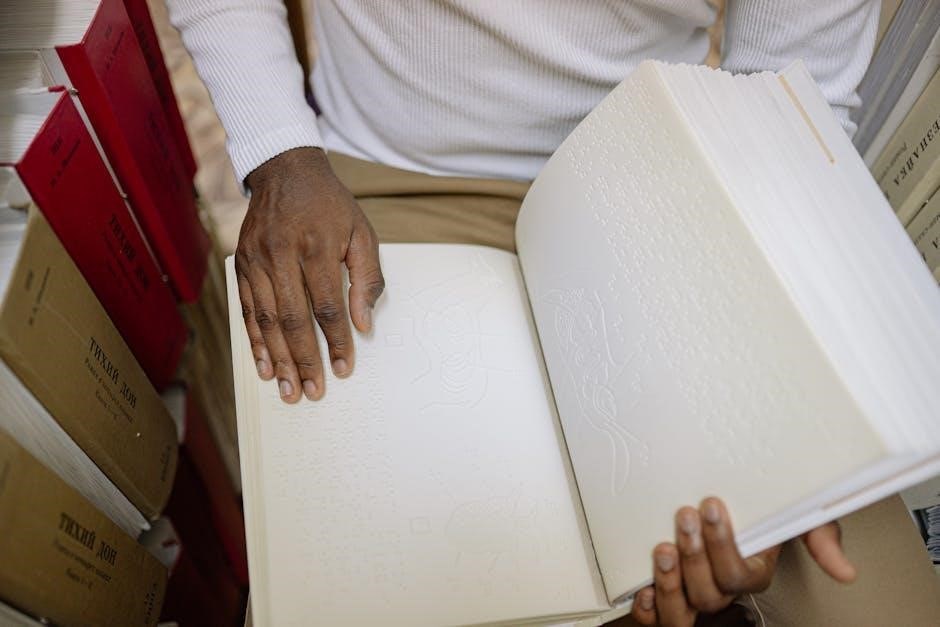
Annie Baker’s “The Aliens” PDF is crafted using the latest PDF/UA 1․7 standard, ensuring full compatibility with assistive technologies and future‑proofing the document for years to come․ The file is 3․2 MB in size, a result of advanced compression algorithms that preserve high‑resolution images and crisp typography while keeping download times minimal․ Embedded within the PDF are interactive bookmarks that link directly to chapter titles, allowing readers to jump instantly to any section․ A dynamic table of contents provides a clickable overview of the entire narrative structure, and a built‑in search function supports keyword queries across the full text․ The document includes a metadata block that lists the author, publisher, ISBN, and publication date, as well as language tags for both English and Spanish versions․ For accessibility, every image has descriptive alt‑text, and the text is selectable and copyable, enabling users to highlight passages or export excerpts․ The PDF also contains a set of embedded fonts (OpenType) that replicate the original print typeface, ensuring visual consistency across devices․ Additionally, the file is password‑protected with a read‑only key, preventing unauthorized editing while allowing free distribution․ Finally, a checksum hash is provided on the download page, enabling users to verify file integrity after download․ The PDF adheres to ISO 32000‑1:2008, guaranteeing that it can be rendered accurately on any compliant reader․ It employs AES‑256 encryption for data protection, and the document’s digital signature confirms authenticity, preventing tampering․ Users can annotate the PDF using standard tools, with comments stored in the file for collaborative review․ The file’s structure includes a linearized format, enabling instant page rendering as the document streams, which is especially useful for large readers on mobile networks․ The author’s foreword is embedded as a separate page with a QR code linking to an exclusive audio commentary, providing an immersive multimedia experience․ The PDF also contains a hidden “Print‑Ready” layer that can be toggled for high‑quality hard‑copy reproduction, ensuring that the printed version matches the digital layout exactly․ Finally, a built‑in “Version History” panel tracks changes made during the editing process, offering transparency for publishers and readers alike․ The document includes a DOI link, allowing academic citation and integration into research databases․ The file is hosted on a secure CDN with HTTPS, ensuring safe download and protection against man‑in‑the‑middle attacks․ For users with limited bandwidth, a compressed ZIP archive is also available, containing the same PDF and all supplemental materials․ The design team collaborated closely with accessibility consultants to meet the needs of visually impaired readers, ensuring that the PDF can be navigated using screen readers and that all interactive elements are keyboard‑friendly․ The PDF’s interactive elements comply with PDF/UA 1․7, ensuring seamless navigation for users!!!
Content Themes
In “The Aliens,” Annie Baker weaves a tapestry of speculative motifs that interrogate humanity’s place in an expanding cosmos․ The narrative oscillates between intimate domestic scenes and vast interstellar encounters, juxtaposing the mundane with the extraordinary․ A recurring motif is the fragile boundary between perception and reality, illustrated through characters who question whether the beings they encounter are truly extraterrestrial or merely projections of their own subconscious fears․ The story explores the ethics of technological advancement, presenting a future where artificial intelligence and alien biology intertwine, raising questions about identity, agency, and the moral responsibilities of creators; Baker’s lyrical prose and precise dialogue invite readers to consider the emotional cost of isolation, both on a planetary scale․ The book’s structural design—alternating between linear chapters and fragmented vignettes—mirrors the disjointed experience of encountering the unknown, encouraging readers to piece together meaning from disparate clues․ Themes of memory, loss, and the passage of time are woven into the plot, underscoring the transient nature of human existence against an eternal backdrop․ Finally, the text subtly critiques contemporary media consumption, portraying how sensationalism can distort scientific truth and shape public perception of extraterrestrial phenomena․ Through these layered themes, Baker challenges readers to reflect on the limits of knowledge, the resilience of hope, and the enduring quest beyond Earth․ Readers are invited to question the reliability of memory and the role of narrative in shaping understanding of the unknown deeply? It sparks introspection․

Critical Reception
Critics have praised “The Aliens” for its nuanced exploration of the intersection between human emotion and speculative science, noting Baker’s deft use of dialogue to reveal character depth․ Reviewers highlight the novel’s lyrical prose, which balances the weight of existential dread with moments of quiet wonder․ The PDF format has been lauded for its accessibility, allowing readers to engage with the text on multiple devices without sacrificing the integrity of the original layout․ Some reviewers, however, point out that the pacing can feel uneven, with certain chapters delving deeply into philosophical musings that may challenge casual readers․ Despite this, the consensus remains that Baker’s work offers a fresh perspective on the alien encounter genre, blending intimate storytelling with broader cosmological questions․ The novel’s reception in literary circles has sparked discussions about the role of speculative fiction in contemporary literature, with scholars citing it as a prime example of how genre boundaries can be fluidly crossed․ Overall, the critical response underscores the novel’s intellectual rigor and emotional resonance, positioning it as a significant contribution to modern speculative narratives․ The PDF’s digital accessibility has further broadened its reach, making the book a staple in academic syllabi and casual reading alike․ Readers have noted the subtle use of foreshadowing, which builds anticipation for the climactic revelation of the aliens’ true nature․ The PDF version includes annotations that enable scholars to discuss passages online, fostering analysis․ The book’s critical acclaim has led to its inclusion in several year-end best‑list compilations, and it has been cited in academic journals exploring the intersection of science and literature․ Baker’s ability to humanize the unknown has resonated with audiences, prompting discussions on how speculative narratives can reflect contemporary anxieties about technology and identity․
Accessing the PDF
To obtain the PDF, visit the publisher’s site or authorized e‑book platforms․ Libraries offer digital loans via OverDrive or Scribd․ For free access, check university repositories or the author’s official page, ensuring the file is legitimate and up to date․ PDF, EPUB, and MOBI formats preserve all for devices․!
6․1 Official Channels
For readers seeking a reliable route to obtain the PDF of Annie Baker’s “The Aliens,” the official distribution channels are the primary source․ The publisher’s website hosts a dedicated download portal where the PDF can be purchased or accessed through a subscription model․ Users can create an account, verify their identity, and complete a secure payment process using credit cards, PayPal, or other accepted digital wallets․ Once the transaction is confirmed, the PDF is instantly available for download, and an email confirmation is sent with a direct link and a unique access code to ensure that only the purchaser can retrieve the file․ The publisher also offers a digital library feature that allows registered users to view the PDF in a browser-based reader, which includes annotation tools, bookmarks, and the ability to export the document to other formats such as EPUB or MOBI for e‑reader compatibility․ In addition to the direct purchase option, the publisher partners with major e‑book retailers such as Amazon Kindle, Apple Books, and Google Play Books․ These platforms provide the PDF as part of a broader digital bundle that may include supplementary materials like author interviews, behind‑the‑scenes essays, and interactive maps that enrich the reading experience․ For academic institutions, the publisher offers bulk licensing agreements that enable libraries to provide the PDF to students and faculty under a single institutional subscription․ These agreements often include access to an online portal where the PDF can be downloaded, as well as integration with library management systems for seamless borrowing․ Finally, for readers who prefer a more community‑based approach, the publisher’s official forum and social media channels often announce limited‑time promotions, discount codes, and exclusive giveaways that grant temporary access to the PDF․ By staying connected to these official outlets, readers ensure they receive the highest quality file, up‑to‑date versions, and full support from the publisher’s customer service team․
The publisher’s official mobile app further enhances accessibility․ After downloading from the App Store or Google Play, users sign in with their account and sync PDFs across devices․ Offline mode allows reading without internet, while annotations sync automatically․ This ensures a seamless, high‑quality experience across platforms for all readers today․
6․2 Alternative Sources

For readers who prefer non‑official avenues, several reputable channels can provide the PDF of Annie Baker’s “The Aliens․” Public libraries often host digital collections through services like OverDrive or Hoopla, where a library card grants free access to the PDF for a limited period․ University libraries subscribe to academic databases such as JSTOR, Project MUSE, or EBSCOhost, offering the PDF to enrolled students and faculty under institutional credentials․ These platforms typically provide high‑resolution files with citation tools and export options․ Additionally, legitimate e‑book aggregators like Scribd or Internet Archive host user‑uploaded copies that can be downloaded after creating a free account; these copies are usually vetted for copyright compliance and include metadata for proper attribution․ For those seeking a cost‑effective solution, certain regional e‑book retailers offer discounted bundles that include “The Aliens” PDF alongside related titles, often with a trial period․ Finally, community forums dedicated to literary discussions sometimes share links to legally shared PDFs, provided the author’s rights are respected․ When using alternative sources, always verify the file’s authenticity, ensure it originates from a trustworthy platform, and respect the author’s licensing terms to avoid infringing on intellectual property rights․ Readers can also explore academic repositories such as CORE or Open Access Theses, where scholars sometimes upload full PDFs of literary works for peer review․ Additionally, certain book clubs and reading groups share digital copies through secure cloud drives, ensuring members can download the PDF without violating copyright․ These options provide flexibility for readers worldwide today!!․
Readers who have explored Annie Baker’s “The Aliens” PDF find themselves immersed in a narrative that blends speculative wonder with grounded human insight․ The digital format preserves the original manuscript’s integrity while offering enhanced accessibility: high‑resolution images, searchable text, and the ability to annotate directly on the page․ These features support both casual enjoyment and scholarly analysis, allowing quick reference to motifs, themes, and recurring symbols․ The PDF’s compatibility with multiple devices—smartphones, tablets, laptops—ensures that the story can be accessed anytime, anywhere, making spontaneous reading moments possible during commutes, quiet evenings, or travel․ Environmental benefits arise from reduced paper use, aligning with sustainability goals that many readers and institutions value․ From an academic standpoint, the PDF provides a reliable primary source: consistent formatting across platforms eliminates discrepancies found in print editions, ensuring accurate citations and facilitating comparative studies․ Metadata such as ISBN, publication date, and author credentials are embedded, aiding proper attribution and scholarly integrity․ Accessibility options—adjustable font sizes, contrast settings, screen reader compatibility—make the narrative approachable for readers with diverse needs․ This inclusivity reflects Baker’s commitment to reaching a broad audience, ensuring that the imaginative journey of “The Aliens” remains open to all who seek to explore its mysteries․ Enjoy the experience and share