Category: Instructions (Page 2 of 2)

diesel 911 instructions

Diesel 911 is a trusted emergency solution for diesel engines, designed to restore fuel flow when gelling or freezing occurs. It prevents engine shutdowns in cold climates.

What is Diesel 911?

Diesel 911 is a premium emergency additive designed to restore diesel fuel flow in cold weather conditions. It prevents fuel gelling and thaws frozen fuel filters, ensuring engine operation. Trusted for decades, it works quickly to liquefy gelled fuel and clear ice crystals, maintaining fuel system performance. Safe for all diesel engines, it’s a reliable solution for drivers facing winter fuel issues. Its effectiveness in extreme climates makes it a must-have for diesel vehicle owners seeking uninterrupted performance during cold snaps.

Importance of Diesel 911 in Cold Climates

Diesel 911 is crucial in cold climates as it prevents fuel gelling, a common issue causing engine failure. By liquefying gelled fuel and de-icing filters, it ensures continuous operation. This prevents costly repairs and downtime, especially for vehicles in remote areas. Its effectiveness in extreme conditions makes it a vital tool for drivers relying on diesel engines during harsh winters. Regular use can safeguard against winterization, ensuring fuel systems remain functional and vehicles stay operational in freezing temperatures.

Key Components of Diesel 911

Diesel 911 contains specialized additives that prevent fuel gelling and de-ice filters, ensuring smooth engine operation in freezing temperatures. Its fast-acting formula restores fuel flow effectively.

How Diesel 911 Works

Diesel 911 works by dissolving gelled diesel fuel and de-icing frozen fuel filters. When added to the tank, it lowers the fuel’s gel point, allowing it to flow freely. The formula breaks down wax crystals and disperses moisture, ensuring proper fuel circulation. It acts quickly, typically within minutes, to restore engine operation. This emergency solution is designed to address cold-weather fuel issues effectively, getting diesel engines running smoothly in extreme conditions without causing harm to the fuel system or engine components.

Active Ingredients and Their Roles

Diesel 911 contains specialized additives that target gelled fuel and frozen components. Its primary ingredient is a wax crystal modifier, which prevents diesel fuel from gelling in cold temperatures. Another key component is a de-icing agent that thaws frozen fuel lines and filters. Additionally, it includes a moisture dispersant to eliminate water contamination, ensuring fuel stays dry and free-flowing. These active ingredients work synergistically to restore fuel flow, prevent engine shutdowns, and maintain optimal performance in extreme cold conditions. Their combined action makes Diesel 911 highly effective for emergency winter situations.
Step-by-Step Application Instructions

Add Diesel 911 directly to the fuel tank, treating the full capacity. Turn the engine on and let it idle briefly to circulate the additive through the system.

Preparing Your Vehicle for Diesel 911 Treatment

Before using Diesel 911, ensure your vehicle is parked on a level surface and the engine is cool. Locate the fuel tank and remove the cap. Wear protective gloves and eyewear to prevent exposure. If the fuel filter is clogged, remove and replace it before adding the product. Ensure no heat sources are nearby to avoid ignition risks. Proper preparation ensures the product works effectively and safely. Always refer to the manufacturer’s guidelines for specific instructions.

Adding Diesel 911 to the Fuel Tank

When adding Diesel 911, start by filling the tank if the fuel level is low. Pour the recommended dose directly into the tank, ensuring the cap is removed. The product is designed to mix with the fuel, so no stirring is needed. Replace the fuel cap securely after application. Allow the engine to run for a few minutes to circulate the treated fuel. Avoid overfilling the tank, as this can cause spills. For severe gelling, multiple doses may be required in extreme cold conditions. Always follow the product’s instructions for proper usage.

Allowing the Product to Work

After adding Diesel 911, allow the product to work by letting the vehicle sit for 10-15 minutes. This enables the additive to dissolve gelled fuel and restore flow; Start the engine at a low idle to circulate the treated fuel through the system. Avoid driving immediately to ensure the product fully addresses any remaining issues. If the engine stalls or runs rough, repeat the process as needed. Monitor performance to confirm the fuel system is clear and functioning properly. This step is crucial for ensuring the product effectively resolves gelling issues.

Safety Precautions When Using Diesel 911

When using Diesel 911, wear protective gloves and eyewear. Ensure good ventilation to avoid inhaling fumes. In case of exposure, rinse with water and seek medical attention if necessary.

Protective Gear and Ventilation

When handling Diesel 911, wear protective gloves and eyewear to prevent skin and eye irritation. Work in a well-ventilated area to avoid inhaling fumes. If used in an enclosed space, ensure proper airflow. Avoid breathing in vapors, as they may cause respiratory discomfort. Proper ventilation reduces the risk of exposure, ensuring a safer application process. Always prioritize personal safety to handle the product effectively and responsibly.

Emergency Procedures in Case of Exposure

In case of Diesel 911 exposure, immediately flush affected areas with water. For skin contact, wash thoroughly with soap and water. If it gets into the eyes, rinse with clean water for at least 15 minutes. Remove contaminated clothing and wash before reuse. Seek medical attention if irritation persists. If ingested, do not induce vomiting; call a poison control center or doctor immediately. Keep the product away from children and pets. Emergency procedures ensure prompt action to minimize potential harm from accidental exposure.

Troubleshooting Common Issues

Common issues with Diesel 911 include gelled fuel not fully resolving, often due to insufficient treatment or not replacing frozen filters. Check application procedures and ensure proper dosing for effective results.

Why Diesel 911 May Not Work

Diesel 911 may fail to resolve gelled fuel if not applied correctly. Insufficient dosage or delayed treatment can prevent proper dissolving of wax crystals. Extreme cold beyond product limits can also reduce effectiveness. Additionally, clogged fuel filters or existing gelled fuel in lines or tanks can hinder its action. Ensure proper application, check temperature compatibility, and address any system blockages for optimal results.

Resolving Gelled Fuel in Extreme Conditions

In extreme cold, gelled fuel can render your diesel engine inoperable. Diesel 911 is designed to address this by dissolving wax crystals and restoring fuel flow; For severe cases, ensure the product is added directly to the fuel tank before symptoms arise. If fuel has already gelled, allow the vehicle to warm up in a sheltered location or use a block heater. Combining Diesel 911 with proper winterization practices ensures optimal performance and minimizes downtime in freezing temperatures. Always follow the manufacturer’s instructions for best results.

Preventative Measures

Regular fuel system maintenance and using preventative additives like Diesel 911 can help avoid gelling issues. These steps ensure smooth engine operation, especially in cold climates.

Regular Fuel System Maintenance

Regular fuel system maintenance is crucial to prevent issues like gelled fuel. This includes changing fuel filters, inspecting fuel tanks for moisture, and ensuring proper fuel flow. Using additives like Diesel 911 can help maintain fuel quality and prevent winterization. Routine checks on fuel lines and pumps ensure optimal performance. Addressing these areas proactively reduces the risk of engine shutdowns in cold conditions. By maintaining your fuel system, you can rely on your diesel engine to perform consistently, even in extreme weather. Regular maintenance is key to avoiding costly repairs and downtime.

Using Preventative Additives

Preventative additives like Diesel 911 play a crucial role in maintaining fuel system health. These products are designed to prevent gelling and freezing of diesel fuel in cold temperatures. By addressing water contamination and fuel degradation, they ensure smooth engine operation. Regular use of such additives helps maintain fuel flow, protects fuel lines, and prevents costly repairs. They are especially effective when used before extreme weather conditions. Incorporating preventative additives into your maintenance routine is a proactive way to safeguard your diesel engine’s performance and reliability year-round.

Diesel 911 is a reliable solution for gelled fuel issues, ensuring engine performance in cold climates. Regular use can prevent winterization and maintain fuel system health effectively.

Final Thoughts on Using Diesel 911

Diesel 911 is a reliable and effective solution for diesel fuel issues in cold climates. It quickly restores fuel flow and prevents engine shutdowns caused by gelled fuel. Regular use as part of preventative maintenance can extend the life of your fuel system. Always follow the instructions carefully and take safety precautions to ensure safe handling. By incorporating Diesel 911 into your winter routine, you can confidently tackle freezing temperatures and keep your engine running smoothly. It’s a trusted tool for diesel owners facing harsh winter conditions.

Recommended Resources for Further Reading

For deeper understanding, explore the official manufacturer’s guide and safety data sheet for Diesel 911. Visit trusted automotive websites like DieselTech and TruckersGuide for real-world applications and testimonials. Additionally, consult cold-weather driving tips from automotive experts to enhance your winter driving preparedness. These resources provide comprehensive insights into diesel fuel maintenance and emergency solutions, ensuring you’re well-equipped to handle extreme conditions effectively.

shark navigator lift away instruction manual

Welcome to the Shark Navigator Lift-Away manual. This guide helps you master your vacuum’s features‚ including Lift-Away technology and HEPA filtration for effective cleaning and proper maintenance.

1.1 Overview of the Shark Navigator Lift-Away Series

The Shark Navigator Lift-Away series offers versatile cleaning solutions with its innovative Lift-Away technology‚ allowing users to detach the canister for portable cleaning. Designed for efficiency‚ these vacuums feature advanced filtration systems‚ such as HEPA‚ to trap allergens and dust particles. With ergonomic handles and swivel steering‚ they provide easy maneuverability across various surfaces‚ making them ideal for homes requiring thorough and adaptable cleaning solutions.

1.2 Importance of Following the Instruction Manual

Adhering to the Shark Navigator Lift-Away manual ensures optimal performance‚ safety‚ and longevity of your vacuum. Proper assembly‚ usage‚ and maintenance routines outlined in the guide prevent damage and maintain warranty validity. By following instructions‚ you can effectively utilize features like Lift-Away technology and HEPA filtration‚ ensuring a cleaner home environment and prolonging the life of your appliance. Regular maintenance also enhances suction power and overall efficiency.

Key Features of the Shark Navigator Lift-Away Vacuum

The Shark Navigator Lift-Away vacuum offers advanced features like Lift-Away portability and a HEPA filtration system‚ ensuring versatile cleaning and improved air quality with minimal effort.

2.1 Lift-Away Technology Explained

The Lift-Away feature allows users to detach the canister from the main unit‚ transforming it into a portable vacuum for stairs‚ upholstery‚ and hard-to-reach areas. This versatile design enhances cleaning efficiency by combining upright and handheld functionalities‚ making it ideal for multi-surface cleaning tasks.

2.2 HEPA Filtration System and Allergen Trapping

The Shark Navigator Lift-Away features a HEPA filtration system‚ capturing 99.97% of dust‚ pollen‚ and allergens as small as 0.3 microns. This advanced system traps particles inside the filter‚ preventing them from circulating back into the air‚ making it ideal for allergy sufferers. Regular filter maintenance ensures optimal performance and cleaner air quality in your home.

Assembly and Initial Setup Instructions

Assemble your Shark Navigator Lift-Away by attaching the handle to the main unit‚ ensuring all alignment tabs click securely into place. Check all components for a proper fit.

3.1 Step-by-Step Assembly Guide

Begin by unpacking all components and verifying no parts are damaged. Attach the handle to the main unit by aligning the tabs and securing firmly. Next‚ connect the wand to the handle‚ ensuring it clicks into place. Finally‚ verify all components‚ such as the dust cup and filters‚ are properly installed and secured. Refer to the diagrams for precise alignment.

3.2 Attaching the Handle and Other Components

To attach the handle‚ align the tabs on the handle with those on the vacuum body and secure firmly. Ensure a snug fit by locking the handle into place. Next‚ connect any additional components‚ such as the wand or crevice tool‚ by aligning their connectors and clicking them into position. Verify all parts are properly aligned and securely attached for optimal performance and stability.

Using the Shark Navigator Lift-Away for Cleaning

The Shark Navigator Lift-Away is designed for versatile cleaning. Use it in upright mode for carpets and hard floors or detach the canister for portable cleaning of stairs‚ upholstery‚ and tight spaces.

4.1 Operating the Vacuum in Upright Mode

To operate the Shark Navigator Lift-Away in upright mode‚ start by ensuring the brush roll is on for carpets and off for hard floors. Adjust the suction power using the controls on the handle to suit your cleaning needs. Glide the vacuum smoothly across surfaces‚ using the swivel steering for easy maneuverability. Regularly empty the dust cup and clean filters to maintain optimal performance.

4.2 Detaching the Canister for Portable Cleaning

To detach the canister for portable cleaning‚ press the release button located on the handle near the base of the vacuum. This allows the canister to separate from the main unit. Attach the desired cleaning tool to the end of the hose and secure it. The portable canister is ideal for cleaning stairs‚ upholstery‚ and hard-to-reach areas with ease and precision. Always ensure the canister is securely reattached after use.

Maintenance and Cleaning Tips

Regularly clean the pre-filter and check for blockages in the hose or brush roll to ensure optimal performance. Empty the dust cup after each use for best results.

5.1 Emptying and Cleaning the Dust Cup

Regularly empty the dust cup after each use to maintain optimal suction power. Press the release button to detach the cup‚ then dump the debris into a trash can. Rinse the cup with cold water if necessary‚ ensuring it is completely dry before reattaching to prevent moisture buildup. Cleaning the dust cup helps maintain your vacuum’s performance and efficiency over time.

5.2 Washing and Replacing Filters

For optimal performance‚ wash the foam and felt filters regularly. Rinse them under cold water until clean‚ then allow them to air dry completely before reinstalling. The HEPA filter should be replaced every 1-2 years or when visibly soiled. Always use genuine Shark replacement filters to ensure proper fit and maintain filtration efficiency. This routine maintenance ensures your vacuum operates at its best.

Troubleshooting Common Issues

This section addresses frequent concerns like suction loss and canister detachment issues. Follow diagnostic steps to identify and resolve problems‚ ensuring your vacuum functions optimally.

6.1 Diagnosing and Fixing Suction Problems

Suction issues often arise from a full dust cup or clogged filters. Ensure the dust cup is empty and filters are clean or replaced. Check for blockages in the hose or brush roll. If the problem persists‚ inspect internal components for damage or debris buildup‚ and refer to the manual for detailed repair guidance to restore optimal performance.

6.2 Resolving Issues with the Lift-Away Canister

If the Lift-Away canister isn’t detaching or functioning properly‚ check for misaligned tabs or dirt buildup around the release mechanism. Clean the area thoroughly and ensure the canister is properly aligned. If the canister feels loose‚ inspect the latch or gasket for damage. For persistent issues‚ consult the manual or contact Shark support for further assistance or potential part replacement.

Replacement Parts and Accessories

Shark offers a range of genuine replacement parts‚ including filters‚ brush rolls‚ and canisters‚ to ensure optimal performance. Visit their official website for easy ordering.

7.1 Replacing the Brush Roll and Motorized Floor Brush

To replace the brush roll‚ first remove the screws holding the bottom plate. Gently pull the plate away and slide out the old brush roll. Install the new one‚ ensuring it aligns properly. For the motorized floor brush‚ disconnect it from the vacuum and attach the new one securely. Regular replacement ensures optimal cleaning performance and extends the vacuum’s lifespan. Always use genuine Shark parts for compatibility.

7.2 Ordering Genuine Shark Replacement Filters

To maintain your vacuum’s performance‚ order genuine Shark replacement filters directly from authorized retailers or Shark’s official website. These filters are designed to ensure optimal suction power and allergen trapping. Regularly replacing filters prevents dust buildup and maintains air quality. Always check compatibility with your specific model before purchasing to guarantee a proper fit and function.

Advanced Features and Settings

The Shark Navigator Lift-Away features advanced settings like brush roll shutoff for delicate surfaces and adjustable suction power to tailor cleaning for carpets‚ hard floors‚ or upholstery.

8.1 Using the Brush Roll Shutoff Feature

The brush roll shutoff feature on the Shark Navigator Lift-Away allows seamless transitions between carpeted and hard floors. Engage this setting by pressing the designated button‚ usually located on the handle or base‚ to disable the brush roll for gentle cleaning on sensitive surfaces like hardwood or tile‚ preventing damage and maintaining optimal performance.

8.2 Adjusting Suction Power for Different Surfaces

The Shark Navigator Lift-Away features adjustable suction control‚ allowing customization for various surfaces. Use lower suction for delicate floors like hardwood or tile‚ and higher settings for deep cleaning carpets. Adjust the slider or dial‚ typically located on the handle or base‚ to optimize cleaning performance without damaging surfaces. Regularly check for blockages to ensure consistent suction power across all settings.

FAQs About the Shark Navigator Lift-Away

Frequently asked questions address common concerns‚ such as suction issues‚ filter maintenance‚ and operation modes‚ providing clear solutions for optimal performance and longevity of your vacuum.

9.1 Common Questions About Maintenance and Repair

Users often inquire about filter cleaning‚ brush roll replacement‚ and suction issues. Regularly washing filters and checking for blockages ensures optimal performance. For repairs‚ refer to the manual or contact Shark support for genuine parts and troubleshooting guidance to maintain your vacuum’s efficiency and extend its lifespan effectively.

9.2 Tips for Optimizing Vacuum Performance

To maximize efficiency‚ empty the dust cup regularly and clean filters as instructed. Check for blockages in hoses or brushes‚ and ensure all parts are securely attached. Use the correct suction setting for different surfaces and maintain the brush roll by removing tangled debris. Regular maintenance and proper usage will enhance cleaning results and prolong the vacuum’s lifespan.

Safety Precautions and Warnings

Always unplug the vacuum before maintenance. Avoid vacuuming water or flammable materials. Keep children away from moving parts. Follow all instructions to prevent accidents and ensure safe operation.

10.1 Avoiding Damage to the Vacuum and Surroundings

To prevent damage‚ avoid vacuuming sharp objects‚ wet surfaces‚ or flammable materials. Regularly inspect hoses and filters for blockages. Ensure proper assembly of all components. Store the vacuum in a dry‚ cool place. Avoid overloading the dust cup. Keep the vacuum away from children and pets. Follow usage guidelines to maintain performance and longevity.

10.2 Electrical Safety Guidelines

Always unplug the Shark Navigator Lift-Away before maintenance or cleaning. Avoid vacuuming water or wet surfaces to prevent electrical hazards. Never use damaged cords or plugs. Keep the vacuum away from open flames or sparks. Ensure repairs are done by authorized personnel. Use only genuine Shark parts to maintain safety and warranty. Follow all electrical safety precautions to avoid accidents.

Warranty and Customer Support Information

The Shark Navigator Lift-Away is backed by a comprehensive warranty program. For inquiries or assistance‚ contact Shark customer service via phone or online support.

11.1 Understanding the Shark Warranty Program

The Shark Navigator Lift-Away warranty covers defects in materials and workmanship for a specified period. Register your product to activate the warranty. Coverage varies by model‚ ensuring repairs or replacements are handled efficiently. For details‚ visit Shark’s official website or refer to the warranty section in your manual. This program provides peace of mind for your investment.

11.2 Contacting Shark Customer Service

For assistance with your Shark Navigator Lift-Away‚ visit Shark’s official website for customer service options. You can contact them via phone‚ email‚ or live chat. The manual also provides detailed contact information. Ensure to have your product details ready for efficient support. This service ensures your questions and concerns are addressed promptly.
Proper maintenance and regular cleaning ensure optimal performance. Store the vacuum in a dry place and refer to the manual for troubleshooting. Happy cleaning!

12.1 Maximizing the Lifespan of Your Shark Navigator

Regularly clean and maintain filters‚ empty the dust cup after use‚ and check for blockages to ensure optimal performance. Store the vacuum in a dry place and avoid extreme temperatures. Replace worn or damaged parts promptly‚ and use only genuine Shark replacement components to maintain efficiency and prolong the lifespan of your device. Proper care ensures years of reliable service.

12.2 Staying Updated with Shark Navigator Resources

Visit Shark’s official website for the latest updates‚ troubleshooting guides‚ and maintenance tips. Subscribe to their newsletter or follow their social media channels for new features‚ accessories‚ and service alerts. Regularly check for firmware updates if applicable‚ and refer to the FAQ section for common issues to keep your Shark Navigator performing at its best always.

self cleaning viking oven instructions

What Are Self-Cleaning Viking Ovens?

Self-cleaning Viking ovens are advanced appliances designed with a unique feature that simplifies oven maintenance․ These ovens use high heat to burn food residue‚ turning it into ash that can be easily wiped away․ This eliminates the need for harsh chemicals or manual scrubbing․ The self-cleaning cycle typically involves locking the oven door and running a specialized program that reaches extremely high temperatures․ Viking ovens are known for their durability and innovative features‚ making them a popular choice for home cooks and professional chefs alike․ The self-cleaning function not only saves time but also ensures a deeper clean‚ keeping the oven in optimal condition for consistent performance․

Benefits of Using a Self-Cleaning Viking Oven

Self-cleaning Viking ovens offer unparalleled convenience and efficiency․ The high-heat cleaning cycle eliminates the need for harsh chemicals‚ reducing exposure to toxic fumes․ This feature saves time by automating the cleaning process‚ allowing users to focus on other tasks․ The intense heat turns food residue into ash‚ which is easy to wipe away‚ ensuring a sparkling interior․ Regular use of the self-cleaning function maintains the oven’s performance and appearance‚ preventing grime buildup․ It also enhances safety by reducing the risk of grease fires․ Overall‚ self-cleaning Viking ovens provide a hassle-free solution for maintaining a clean‚ functional‚ and long-lasting cooking appliance․

Step-by-Step Guide to Self-Cleaning Your Viking Oven

Prepare by removing racks and utensils‚ then set the oven to self-clean mode․ Let the cycle run‚ allowing food residue to burn into ash․ After cooling‚ wipe clean․

Preparing Your Oven for the Self-Cleaning Cycle

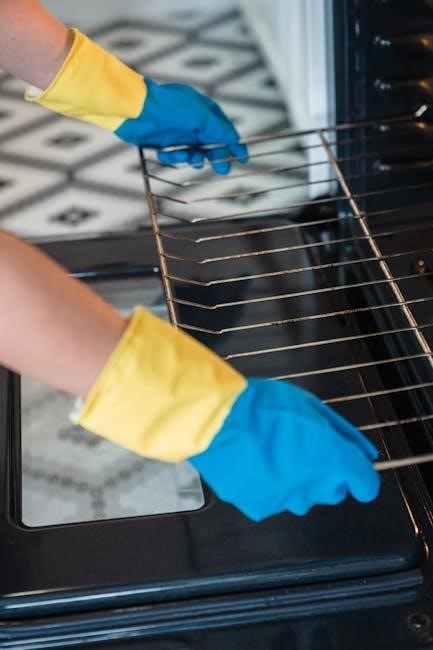
To prepare your Viking oven for the self-cleaning cycle‚ start by removing all racks‚ rack supports‚ and utensils․ Ensure the oven door is completely closed and latched securely․ Avoid using abrasive cleaners beforehand‚ as residue could interfere with the cycle․ Wipe down any large food spills to prevent excessive smoke during cleaning․ Place a broiler pan with water on the bottom rack to help soften tough grime․ Double-check that the oven is empty and no accessories are left inside․ Finally‚ ensure the oven is cool before starting the cycle to avoid damage or safety hazards․

  • Remove racks‚ supports‚ and utensils․
  • Close and latch the oven door securely․
  • Avoid abrasive cleaners beforehand․
  • Wipe down large food spills․
  • Place a broiler pan with water inside․
  • Ensure the oven is empty and cool․

Initiating the Self-Cleaning Cycle

To initiate the self-cleaning cycle on your Viking oven‚ ensure the oven is properly prepared and the door is latched․ Turn the oven selector knob clockwise to the SELF CLEAN mode․ Set the temperature control knob to the recommended cleaning setting‚ typically indicated in your user manual․ The cycle usually lasts about 3 to 4 hours‚ during which the oven heats to a high temperature to burn food residue into ash․ Once the cycle is complete‚ allow the oven to cool before opening the door․ The oven will automatically unlock when the interior has cooled down sufficiently․ Always follow the manufacturer’s instructions for precise settings and timing to ensure safety and effectiveness․

  • Turn the selector knob to SELF CLEAN mode․
  • Set the temperature to the cleaning setting․

Post-Cleaning Maintenance and Care

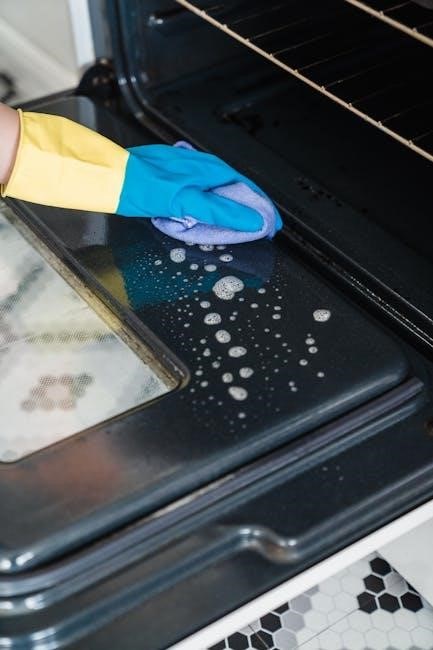
After completing the self-cleaning cycle‚ allow the Viking oven to cool completely before opening the door․ Use a damp cloth to wipe away the ash and residue from the interior surfaces․ Remove the oven racks and wash them separately with mild soap and warm water․ Regularly cleaning the racks and shelves ensures optimal performance․ Avoid using abrasive cleaners or scrubbers‚ as they may damage the oven’s finish․ For tough stains‚ mix baking soda and water to create a paste‚ apply it‚ and let it sit before wiping clean․ Always refer to the user manual for specific maintenance recommendations to keep your Viking oven in excellent condition․

  • Allow the oven to cool completely before cleaning․
  • Wipe ash and residue with a damp cloth․
  • Clean racks and shelves separately․
  • Avoid abrasive cleaners to prevent damage․

Common Issues and Solutions

Self-cleaning Viking ovens may face issues like the self-clean cycle not starting or error codes appearing․ Ensure the door is fully closed and latched‚ as improper alignment can prevent the cycle from initiating․ If error codes display‚ refer to the user manual for specific troubleshooting steps․ Always unplug the oven before attempting repairs․ For persistent issues‚ contact Viking customer support or a certified technician․ Regular maintenance‚ such as cleaning sensors and ensuring proper ventilation‚ can help prevent these problems․ Addressing issues promptly ensures optimal performance and longevity of your appliance․

  • Check door alignment and latching․
  • Consult the manual for error code solutions․
  • Contact support for unresolved problems․

Troubleshooting the Self-Cleaning Feature

If the self-cleaning cycle fails to start‚ ensure the oven door is fully closed and latched․ Misalignment or improper locking can prevent activation․ Check for error codes on the display‚ as they provide specific guidance for issues like temperature sensors or control board malfunctions․ Refer to the user manual for code meanings and solutions․ If the issue persists‚ unplug the oven and restart it to reset the system․ For unresolved problems‚ contact Viking customer support or a professional technician․ Regularly cleaning the oven’s sensors and ensuring proper ventilation can also prevent such issues․ Always follow manufacturer guidelines to avoid further complications and ensure safe operation․

  • Verify door alignment and locking․
  • Check and interpret error codes․
  • Restart the oven by unplugging it․
  • Consult the user manual or contact support․

Addressing Error Codes and Malfunctions

When encountering error codes or malfunctions during the self-cleaning cycle‚ refer to the Viking oven’s user manual for specific code interpretations․ Common issues include faulty temperature sensors‚ malfunctioning door latches‚ or control board problems․ For example‚ an “E1” or “F2” error may indicate a sensor malfunction‚ while a door latch issue could prevent the cycle from starting․ To resolve these‚ turn off the oven‚ unplug it‚ and restart to reset the system․ If the problem persists‚ clean the sensors with a soft cloth and mild soap solution․ For severe malfunctions‚ contact Viking customer support or a certified technician for assistance․ Always follow safety guidelines to avoid further complications․

  • Check the user manual for error code meanings․
  • Restart the oven by unplugging and replugging it․
  • Clean sensors gently with a mild soap solution․
  • Contact Viking support for unresolved issues․

Safety Tips and Precautions

Always ensure the oven is cool before cleaning‚ keep children away‚ avoid harsh chemicals‚ and unplug the appliance․ Open windows for ventilation to prevent fume inhalation․

Ensuring Personal Safety During the Cleaning Process

To ensure personal safety while using the self-cleaning feature on your Viking oven‚ always keep the oven door closed during the cycle‚ as it locks automatically to prevent burns; Avoid touching the oven surfaces‚ as they become extremely hot․ Proper ventilation is essential to prevent inhaling fumes from burned food residue․ Open windows or use an exhaust fan to maintain airflow․ Never leave the oven unattended during the cleaning cycle‚ and keep children and pets away․ After the cycle‚ allow the oven to cool completely before opening the door or cleaning manually․ Always unplug the appliance before performing any manual cleaning tasks․ Use protective gloves and eyewear when handling hot or sharp components․

Protecting Your Oven and Surroundings

To protect your Viking oven and its surroundings during the self-cleaning process‚ ensure the area around the oven is clear of flammable materials․ Always unplug the appliance before manual cleaning to prevent electrical hazards․ Remove all racks‚ utensils‚ and accessories to avoid warping or damage․ Use a heat-resistant mat or tray under the oven door to catch ash and debris․ Keep surrounding surfaces covered with protective sheets or towels to prevent damage from cleaning residue․ Avoid using abrasive cleaners or harsh chemicals‚ as they can harm the oven’s finish․ Regularly inspect and clean venting systems to maintain proper airflow and prevent fume buildup․ Follow the manufacturer’s guidelines for installation and maintenance to ensure optimal performance and safety․

Maintenance Tips for Optimal Performance

Regularly clean racks and surfaces‚ check for food residue‚ and ensure proper ventilation․ Avoid harsh chemicals and follow manufacturer guidelines to maintain your Viking oven’s performance and longevity․

Regular Cleaning Tasks to Enhance Self-Cleaning Efficiency

For optimal performance‚ remove oven racks and utensils before the self-cleaning cycle․ Wipe down surfaces with a damp cloth after each use to prevent grime buildup․ Place water in the broiler pan to help soften tough stains during the cycle․ Avoid using abrasive cleaners or scrubbers‚ as they can damage the oven’s finish․ After cleaning‚ ensure the oven door seal is clean and free of debris․ Regularly inspect and clean the exterior to maintain its appearance․ These tasks ensure your Viking oven operates efficiently and extends the lifespan of its self-cleaning feature․

Deep Cleaning Methods for Tough Stains and Grime

For stubborn stains‚ run the self-cleaning cycle with water in the broiler pan to create steam‚ loosening tough grime․ Avoid harsh chemicals or abrasive scrubbers‚ as they can damage the finish․ Instead‚ use a soft brush or damp cloth to gently remove residue after the cycle․ For manual deep cleaning‚ mix baking soda and water to form a paste‚ apply it to stained areas‚ and let it sit overnight․ Wipe clean with a damp cloth․ Always refer to your Viking oven’s manual for specific deep cleaning recommendations to avoid damage and ensure optimal performance․

Optimizing the Self-Cleaning Feature

Use water in the broiler pan during the cleaning cycle to create steam‚ loosening tough grime․ Avoid harsh chemicals to maintain your oven’s finish and functionality․

Best Practices for Effective Self-Cleaning

For optimal results‚ remove racks and utensils before starting the self-cleaning cycle․ Place water in the broiler pan to create steam‚ which helps loosen grime․ Avoid using abrasive cleaners or scrubbers‚ as they may damage the oven’s finish․ Always ensure the oven is completely cool before wiping down surfaces․ Regular light cleaning after meals can prevent heavy buildup and improve the efficiency of the self-cleaning feature․ Avoid using the oven for cleaning other parts‚ as this could cause damage․ Check for error codes and address them promptly to ensure smooth operation․ Follow the manufacturer’s guidelines for cycle duration and temperature settings to maintain performance and safety․

Advanced Techniques for a Spotless Oven

For a spotless finish‚ combine the self-cleaning cycle with steam by placing water and white vinegar or baking soda inside the oven․ This enhances grime breakdown and reduces harsh odors․ After the cycle‚ use a damp cloth to wipe away ash‚ ensuring a streak-free surface․ For tough stains‚ let the oven cool slightly‚ then scrub with a gentle‚ non-abrasive scrubber․ Avoid overlapping cycles‚ as this can strain the heating elements․ Always run a short cleaning cycle after heavy use to prevent grime buildup․ For extra shine‚ polish exterior surfaces with a stainless steel cleaner․ These techniques ensure your Viking oven remains pristine and functions optimally over time․

Newer posts »