Leviton Humidity Sensor Manual: A Comprehensive Guide
This manual provides detailed instructions for Leviton humidity sensors, covering installation, configuration, troubleshooting, and maintenance for optimal performance and efficiency.
Leviton introduced advanced digital sensing technology in January 2014, offering adjustable settings for sensitivity, humidity levels, and automatic time-out features.
Leviton humidity sensors represent a significant advancement in home environmental control, offering automated ventilation solutions for bathrooms, basements, and other moisture-prone areas; Introduced initially in January 2014, these devices utilize state-of-the-art digital sensing technology to proactively manage humidity levels, preventing issues like mold and mildew growth.
These sensors aren’t simply on/off switches; they intelligently respond to changing conditions. Contemporary designs integrate seamlessly into modern homes, while adjustable settings allow customization to specific ventilation needs. Understanding the capabilities of a Leviton humidity sensor is key to maximizing its benefits, ensuring a comfortable and healthy indoor environment, and reducing energy waste.
What is a Leviton Humidity Sensor?
A Leviton Humidity Sensor is an automated device designed to detect moisture levels in the air and activate ventilation, typically an exhaust fan, when humidity exceeds a pre-set threshold. Introduced by Leviton in January 2014, these sensors employ digital technology for precise and reliable readings.
Unlike traditional timers, a humidity sensor responds dynamically to actual conditions, ensuring ventilation only occurs when needed. The device features adjustable sensitivity, humidity level settings, and automatic time-out functions, allowing users to tailor operation to their specific environment. It’s a smart solution for preventing mold, mildew, and maintaining optimal indoor air quality.
Benefits of Using a Humidity Sensor
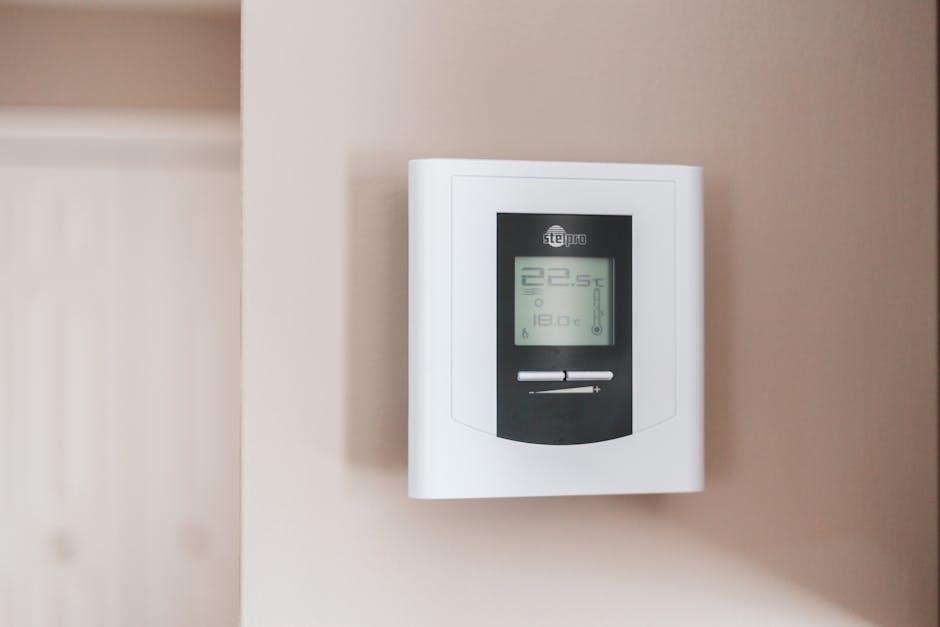
Employing a Leviton Humidity Sensor offers numerous advantages, primarily centered around improved air quality and resource conservation. These sensors proactively combat mold and mildew growth in moisture-prone areas like bathrooms and basements, safeguarding your home’s structure and inhabitants’ health.
Beyond health benefits, humidity sensors deliver significant energy savings by eliminating the wasteful operation of exhaust fans when they aren’t required. The adjustable settings, including sensitivity and automatic time-out, ensure efficient ventilation tailored to specific needs. This smart technology provides a comfortable and healthy living environment while reducing energy consumption.
Energy Efficiency & Cost Savings
Leviton Humidity Sensors contribute significantly to energy efficiency by intelligently controlling exhaust fan operation. Traditional exhaust fans often run longer than necessary, wasting electricity and increasing energy bills. These sensors activate fans only when elevated humidity levels are detected, preventing unnecessary runtime.
This on-demand ventilation minimizes energy consumption, leading to noticeable cost savings over time. The automatic time-out feature further optimizes efficiency by ensuring fans don’t operate indefinitely after humidity returns to normal. Investing in a Leviton sensor is a practical step towards a more sustainable and economical home environment.
Mold and Mildew Prevention
Maintaining proper ventilation is crucial for preventing mold and mildew growth, particularly in moisture-prone areas like bathrooms and basements. Leviton Humidity Sensors proactively address this concern by automatically activating exhaust fans when humidity levels rise. This rapid response effectively removes excess moisture before it can foster the development of harmful mold and mildew.
By consistently maintaining optimal humidity levels, these sensors contribute to a healthier indoor environment. Preventing mold growth not only protects your home’s structure but also safeguards the well-being of its occupants, reducing allergy and respiratory issues.
Leviton Humidity Sensor Models: Overview
Leviton offers a range of humidity sensor solutions designed to meet diverse ventilation needs. The most prevalent model combines humidity sensing with integrated fan control, providing automated operation for bathrooms and similar spaces. This digital sensor utilizes state-of-the-art technology for precise humidity detection and responsive fan activation.
Beyond the standard digital model, Leviton also provides variations catering to specific applications. These may include sensors with different mounting options, enhanced features, or compatibility with broader smart home systems. Understanding these distinctions allows users to select the optimal sensor for their requirements.
Digital Humidity Sensor & Fan Control (Most Common)
The Leviton Digital Humidity Sensor & Fan Control is a widely adopted solution for automated ventilation. This model employs digital sensing technology to accurately measure humidity levels and automatically activate connected exhaust fans. Its contemporary design seamlessly integrates into various bathroom and basement settings.
Key features include easily adjustable settings for sensor sensitivity, allowing customization based on environmental conditions. Users can also define specific humidity level thresholds to trigger fan operation, and configure an automatic time-out function for efficient energy use. This model represents a balance of functionality and user-friendliness.
Other Leviton Sensor Variations
While the Digital Humidity Sensor & Fan Control is prevalent, Leviton offers alternative sensor solutions to cater to diverse needs. These variations may include models with different mounting options, enhanced features, or compatibility with specific fan types. Some sensors might prioritize energy conservation with more aggressive automatic shut-off timers.

Exploring these options allows for tailored ventilation control. Leviton continually innovates, potentially introducing sensors with smart home integration capabilities or advanced reporting features. Consulting the Leviton catalog or website reveals the full spectrum of available humidity sensing products and their respective specifications.
Installation Guide: Step-by-Step

Proper installation ensures optimal performance and safety. Begin by disconnecting power at the breaker before any wiring. Carefully remove the existing wall plate and disconnect the wires, noting their positions. Connect the Leviton sensor’s wires according to the wiring diagram – typically line, load, neutral, and ground.
Securely mount the sensor to the wall box using the provided screws. Attach the wall plate, ensuring a snug fit. Restore power at the breaker and test the sensor’s functionality. Adjust settings as needed. Always prioritize safety and consult a qualified electrician if unsure.
Safety Precautions Before Installation
Electrical safety is paramount. Always disconnect power to the circuit at the breaker box before commencing any installation work. Verify the power is off using a non-contact voltage tester. Never work with wet hands or in damp environments. Ensure the wiring conforms to local electrical codes and regulations.
If you are uncomfortable working with electrical wiring, consult a qualified electrician. Improper installation can lead to electrical shock or fire hazards. Wear appropriate safety glasses and gloves. Carefully read and understand all instructions before beginning the installation process.
Wiring Diagrams & Electrical Connections
Proper wiring is crucial for safe and effective operation. Typically, the Leviton humidity sensor requires a neutral wire, a line (hot) wire, and a load wire connecting to the fan. Refer to the specific wiring diagram included with your model, as configurations can vary.
Ensure all wire connections are secure using wire connectors approved for the gauge of wire used. Grounding is essential; connect the ground wire to the designated grounding terminal. Double-check all connections before restoring power. Incorrect wiring can damage the sensor or fan.
Mounting the Sensor & Fan Control
Secure mounting ensures accurate readings and reliable operation. Choose a location away from direct water spray, heat sources, and obstructions that could affect airflow. The sensor and fan control unit typically mounts to a standard electrical box.
Use the provided screws to firmly attach the device to the box. Ensure the unit is level for aesthetic appeal and proper functionality. Avoid over-tightening the screws, which could damage the housing. Consider the proximity to the fan for optimal humidity detection and control.
Configuration & Settings Adjustment
Personalize your Leviton humidity sensor for optimal performance. The device features easily adjustable settings, allowing customization to specific ventilation needs. Begin by accessing the configuration menu, typically through buttons or a digital interface on the unit.
Adjust sensor sensitivity to fine-tune detection levels, preventing false triggers or delayed responses. Set humidity level thresholds to define when the fan activates and deactivates. Configure the automatic time-out function to ensure adequate ventilation even after humidity drops.
Adjusting Sensor Sensitivity
Fine-tune the sensor’s responsiveness to humidity changes. Leviton humidity sensors offer adjustable sensitivity settings to prevent unwanted fan activation or delayed responses. Lower sensitivity minimizes false triggers from brief humidity spikes, ideal for areas with frequent steam.
Increase sensitivity for quicker detection in spaces prone to persistent moisture. Experiment with different levels to find the optimal balance for your environment. Refer to the device’s interface or manual for specific adjustment instructions, ensuring accurate and reliable performance.
Setting Humidity Level Thresholds

Establish the humidity percentage that triggers fan activation. Leviton sensors allow users to define specific humidity thresholds, customizing ventilation based on environmental needs. A lower threshold initiates the fan sooner, proactively combating moisture buildup. Conversely, a higher threshold delays activation, suitable for spaces requiring less aggressive ventilation.
Carefully consider the room’s typical humidity levels and desired comfort. Adjust the threshold incrementally to achieve optimal performance, balancing effective moisture control with energy conservation. Consult the manual for precise setting procedures.
Automatic Time-Out Function Configuration
Configure the fan’s runtime after humidity returns to normal. The Leviton sensor’s automatic time-out feature ensures complete moisture removal, even after the initial humidity trigger subsides. Users can set a specific duration – ranging from minutes to hours – for the fan to continue running.
This prevents residual moisture from fostering mold or mildew growth. Adjust the time-out setting based on room size and ventilation effectiveness. Shorter durations conserve energy, while longer durations provide more thorough drying. Refer to the manual for detailed configuration steps.
Troubleshooting Common Issues
Resolve typical problems with your Leviton humidity sensor. If the sensor fails to detect humidity, verify power supply and sensor placement, ensuring it’s not obstructed. A fan not responding indicates wiring issues or incorrect settings; double-check connections and configuration.
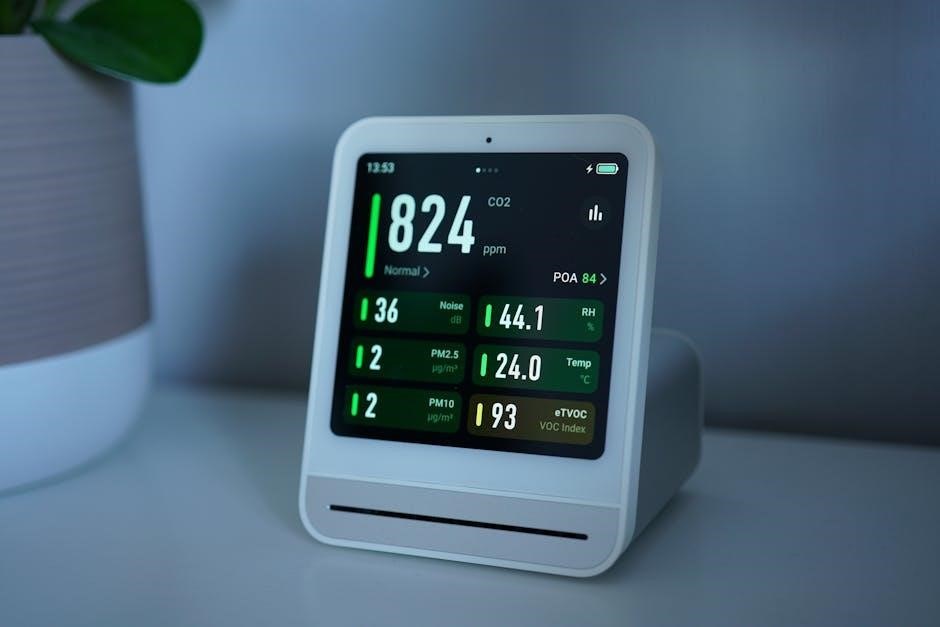
Inaccurate readings suggest calibration is needed or the sensor is exposed to extreme temperatures. Consult the manual for specific diagnostic steps. Regularly inspecting wiring and ensuring proper ventilation can prevent many issues. If problems persist, contact Leviton support for assistance.
Sensor Not Detecting Humidity
Troubleshoot why your Leviton sensor isn’t registering moisture. First, confirm the power supply to the unit is active and stable. Ensure the sensor isn’t physically blocked by debris or obstructions hindering airflow. Verify the sensitivity setting isn’t set too high, preventing detection of minor humidity increases.
Check the sensor’s location; it should be positioned to capture ambient humidity, away from direct ventilation. If issues continue, a reset to factory defaults might resolve the problem. Finally, confirm the sensor hasn’t reached its lifespan and requires replacement.
Fan Not Responding to Sensor
Address situations where the fan doesn’t activate upon humidity detection. Initially, double-check all wiring connections between the sensor, fan, and power source, ensuring secure and correct placement. Confirm the fan itself is functioning correctly by manually testing it, bypassing the sensor control. Verify the humidity threshold is set appropriately – too high a setting won’t trigger the fan.
Inspect the automatic time-out setting; it might be overriding the sensor’s signal. A reset of the sensor could resolve communication errors. If problems persist, the fan motor may be faulty.
Incorrect Humidity Readings
Troubleshoot inaccurate humidity level displays from your Leviton sensor. Begin by ensuring the sensor isn’t directly exposed to water splashes or excessive condensation, as this can skew readings. Check for nearby heat sources or drafts that might influence the sensor’s environment. A simple reset of the device can often recalibrate the internal sensors.
If the issue continues, verify the sensor’s location isn’t affected by poor air circulation. Periodic calibration, as outlined in the maintenance section, may be necessary for sustained accuracy.
Maintenance & Care
Ensure long-lasting performance of your Leviton humidity sensor with routine upkeep. Regularly clean the sensor’s exterior with a soft, dry cloth to remove dust and debris, avoiding any liquids. Implement periodic checks – at least twice a year – to verify accurate humidity readings and fan responsiveness.
Consider calibration, if readings seem off, following the configuration instructions. Inspect wiring connections for tightness and corrosion. Proper maintenance safeguards against malfunctions and extends the sensor’s lifespan, maintaining optimal air quality control.
Cleaning the Sensor
Maintaining a clean sensor is crucial for accurate readings and reliable operation. Always disconnect power before cleaning. Use a soft, dry cloth to gently wipe the sensor’s exterior, removing dust and any accumulated grime. Avoid using water, cleaning solutions, or abrasive materials, as these can damage the sensitive components.
For stubborn debris, a can of compressed air can be used cautiously. Ensure the air stream isn’t too forceful. Regular cleaning, ideally every few months, prevents build-up that could obstruct airflow and affect performance.
Periodic Checks & Calibration
To ensure continued accuracy, perform periodic checks of your Leviton humidity sensor. Compare readings to a calibrated hygrometer at least twice a year. If discrepancies exist, slight adjustments to the sensor’s settings might be necessary, though full calibration typically isn’t user-accessible.
Monitor the sensor’s responsiveness to humidity changes. If it seems sluggish or inaccurate, review the installation and configuration. Consistent issues may indicate a need for professional servicing or replacement. Regular monitoring helps maintain optimal performance.
Leviton Humidity Sensor Specifications
Leviton humidity sensors are designed for standard 120V AC power systems. While specific power consumption varies by model, it’s generally minimal, contributing to energy efficiency. The sensors typically operate within a humidity range of 20% to 95% relative humidity, with an accuracy of ±5%.
These devices are built for indoor use and should not be exposed to direct moisture or extreme temperatures. Refer to the individual model’s datasheet for precise specifications, including dimensions and operating temperature ranges. Warranty details are outlined separately;
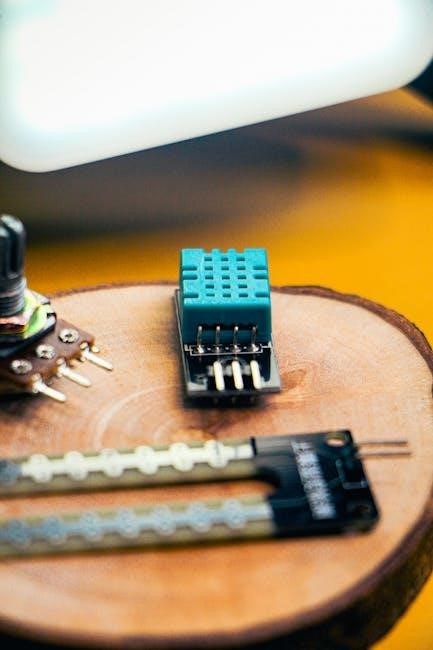
Power Requirements
Leviton humidity sensors and fan controls are universally designed to operate on a standard 120-volt AC power supply. These devices do not require batteries for operation, relying solely on the connected electrical circuit. Ensure the circuit is properly grounded and meets local electrical codes before installation.
Power consumption is relatively low, contributing to overall energy savings. Specific wattage requirements will vary slightly depending on the model and whether a fan is actively running. Always disconnect power at the breaker before any wiring or maintenance procedures.
Humidity Range & Accuracy
Leviton humidity sensors are engineered to accurately detect moisture levels within a broad range, typically spanning from 20% to 95% Relative Humidity (RH). This wide range ensures effective operation in diverse environments like bathrooms and basements.
Accuracy is generally maintained within ±5% RH, providing reliable data for automated fan control. However, extreme temperatures or direct water exposure can temporarily affect readings. Regular calibration, as outlined in the maintenance section, helps maintain optimal precision and consistent performance over time.
Warranty Information & Support
Leviton stands behind its humidity sensors with a limited warranty, typically covering defects in materials and workmanship for a period of one to two years from the date of purchase. Please retain your proof of purchase for warranty claims.
For technical support, troubleshooting assistance, or to locate authorized service centers, visit the Leviton website or contact their customer service department. Detailed product information, FAQs, and downloadable resources are readily available online. Leviton’s commitment ensures a positive user experience and lasting product satisfaction.
Leave a Reply
You must be logged in to post a comment.