
Napoleon Gas Fireplace: A Comprehensive Manual
This manual provides detailed guidance for Napoleon gas fireplace owners, covering installation, operation, troubleshooting, and maintenance for optimal performance and safety.
Understanding your fireplace’s electronic ignition system and gas valve is crucial for resolving common issues, ensuring years of cozy warmth.
Understanding Your Napoleon Gas Fireplace
Napoleon gas fireplaces offer a blend of beauty and efficient heating, but maximizing their performance requires understanding key features. Familiarize yourself with the specific model you own, as variations exist in control systems and burner designs.
This section will help you decipher the components and operational principles. Knowing how the gas valve regulates fuel flow, the burner assembly ignites the gas, and the pilot light initiates combustion is fundamental.
Understanding the electronic ignition system, if equipped, is also vital. Recognizing normal operating sounds versus potential warning signs allows for proactive troubleshooting. Regularly consulting your fireplace’s specific manual will provide detailed diagrams and explanations tailored to your unit, ensuring safe and efficient operation.
Safety Precautions & Warnings
Gas fireplaces, while convenient, present inherent safety risks. Always ensure proper ventilation to prevent carbon monoxide buildup – install carbon monoxide detectors and test them regularly. Never store flammable materials near the fireplace.
Inspect the gas line for leaks before each use, utilizing a soap solution. If a gas smell is detected, immediately shut off the gas supply and contact a qualified technician.
Keep children and pets a safe distance from the hot surfaces. Never leave the fireplace unattended while operating. Do not attempt repairs yourself unless you are a qualified professional. Adhering to these precautions will minimize risks and ensure safe enjoyment of your Napoleon fireplace.
Components of a Napoleon Gas Fireplace
A Napoleon gas fireplace comprises several key components working in harmony. The gas valve & control system regulates gas flow and manages ignition. The burner assembly distributes gas for combustion, creating the flames.
The pilot light & ignition system initiates the burning process, utilizing either a standing pilot or electronic ignition. Logs and media, often ceramic or glass, create a realistic flame appearance. The firebox houses these components, providing a contained burning area.
Additionally, a venting system safely expels combustion byproducts. Understanding each component’s function is vital for effective maintenance and troubleshooting, ensuring optimal fireplace performance.
Gas Valve & Control System
The gas valve is a critical safety component, regulating gas supply to the burner. It features on/off controls, flame height adjustment, and often includes a safety shut-off mechanism. The control system, linked to a thermocouple or electronic sensor, monitors flame presence.
If the flame extinguishes, the control system automatically shuts off the gas supply, preventing leaks. Modern systems utilize electronic controls for precise temperature regulation and remote operation. Regular inspection of the gas valve for leaks or damage is crucial for safe operation.
Proper functioning ensures consistent heat output and prevents potentially hazardous situations. Troubleshooting often involves checking connections and verifying sensor functionality.
Burner Assembly
The burner assembly is the heart of your Napoleon gas fireplace, responsible for creating the flames. It consists of the burner itself, typically made of stainless steel, and various ports designed to distribute gas evenly. Ceramic logs or decorative media are placed above the burner to create a realistic flame appearance.
Proper burner function relies on clean gas ports and unobstructed airflow. Soot or debris accumulation can lead to uneven flames or reduced heat output. Regular cleaning is essential for optimal performance. Inspect the burner for cracks or damage, as these can cause gas leaks.
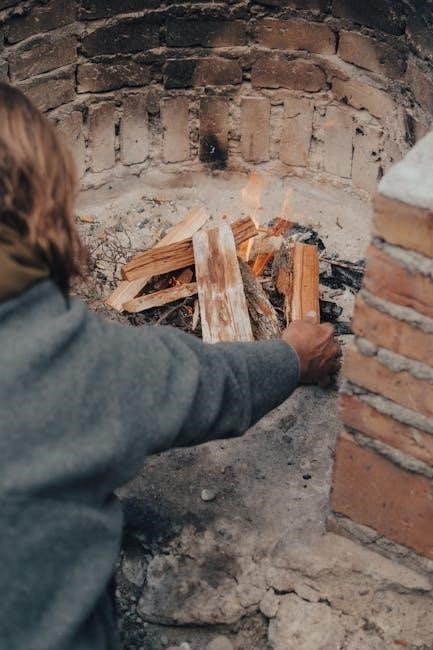
Ensure the logs are correctly positioned to allow for proper ventilation and flame presentation.
Pilot Light & Ignition System
The pilot light, or electronic ignition system, initiates the gas flow to the burner. Older models utilize a standing pilot light, requiring manual lighting and continuous monitoring. Newer Napoleon fireplaces often feature electronic ignition, offering convenient and reliable start-up with the push of a button or remote control.
A malfunctioning pilot light is a common issue. Symptoms include difficulty lighting, flickering flames, or a complete lack of ignition. The thermocouple, a safety device, senses the pilot light flame and allows gas to flow; a faulty thermocouple will shut off the gas supply.
Regular inspection and cleaning of the pilot light assembly are crucial for safe and efficient operation.
Initial Setup & First Use
Before your first use, carefully review all safety precautions outlined in this manual. Ensure the gas supply is properly connected and that there are no gas leaks – use a soapy water solution to check connections. Verify the fireplace is installed according to local codes and manufacturer’s instructions.
Familiarize yourself with the control system, including the gas valve and any remote controls. When initiating the fireplace for the first time, follow the lighting instructions specific to your model – either manual pilot light ignition or electronic ignition. Allow a brief period for the fireplace to warm up and stabilize.
Observe the flame pattern and ensure it appears normal.
Routine Maintenance
Regular maintenance is vital for the safe and efficient operation of your Napoleon gas fireplace. At least annually, or more frequently with heavy use, perform a thorough inspection. Cleaning the fireplace involves removing dust, soot, and debris from the burner assembly, logs, and glass viewing area – always ensure the unit is cool and the gas supply is off.
Inspect the logs & media for any damage or misalignment, rearranging them as needed to ensure proper flame presentation. Check the burner ports for obstructions and clear them carefully. A professional inspection is recommended annually to assess the gas valve, pilot system, and overall fireplace health.
Consistent upkeep extends the lifespan of your fireplace.
Cleaning the Fireplace
Regular cleaning maintains your Napoleon gas fireplace’s efficiency and appearance. Before starting, ensure the fireplace is completely cool and the gas supply is shut off. Begin by removing the glass front, carefully cleaning it with a gas fireplace-approved cleaner – avoid abrasive materials.
Vacuum the firebox to remove dust and debris. Gently brush the burner assembly and logs, removing any soot or buildup. Inspect burner ports for blockages and clear them with a small wire or brush. Pay attention to the pilot light assembly, ensuring it’s free from obstructions.
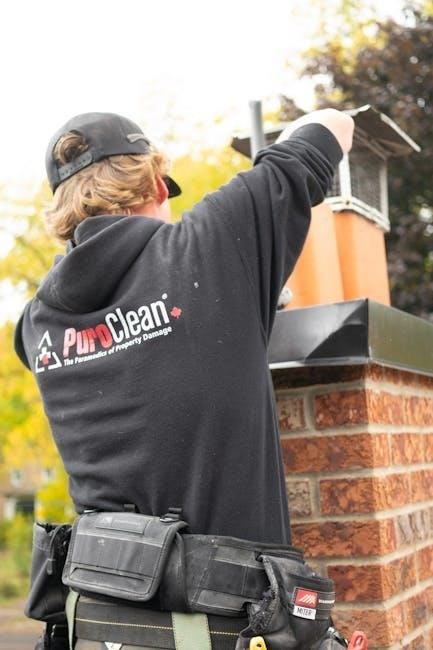
Reinstall the glass front securely. Consistent cleaning prevents issues and ensures optimal performance.
Inspecting the Logs & Media
Regularly inspect the ceramic fiber logs and media within your Napoleon gas fireplace. Ensure they are correctly positioned according to the fireplace’s original configuration – refer to your installation manual for the proper layout. Carefully check for cracks or damage; damaged logs should be replaced to maintain a realistic flame pattern and prevent potential safety hazards.
Avoid shifting or rearranging the logs unless specifically instructed during maintenance. Inspect the media bed (if applicable) for debris or obstructions. Ensure proper gas flow around and through the logs isn’t impeded.
Consistent inspection ensures safe and aesthetically pleasing operation of your fireplace.
Troubleshooting Common Issues
Encountering problems with your Napoleon gas fireplace is not uncommon. Common issues include a pilot light that won’t stay lit, a lack of heat output, or the detection of a gas smell. Before attempting any repairs, ensure the gas supply is shut off and the unit is cool.
A failing thermocouple is often the culprit behind pilot light issues. Reduced heat output can stem from blocked vents or a malfunctioning gas valve. If you smell gas, immediately evacuate the area and contact your gas company or a qualified technician.
Always prioritize safety and consult a professional if you’re uncomfortable addressing these concerns.
Pilot Light Problems
A pilot light that frequently goes out or struggles to ignite is a common issue. Often, a dirty or failing thermocouple is the primary cause; this component senses heat from the pilot and allows gas flow. Inspect the thermocouple for soot or corrosion and consider replacement if damaged.
Ensure the pilot orifice isn’t clogged with debris, restricting gas supply. A weak spark from the igniter can also prevent successful ignition. Check the igniter’s positioning and clean any obstructions. If the problem persists, the gas valve itself might be malfunctioning, requiring professional attention.
Always follow safety precautions before attempting any pilot light repairs.
No Heat Output

If your Napoleon gas fireplace isn’t producing heat despite a functioning pilot light, several factors could be at play. A common culprit is insufficient gas supply, potentially due to a closed shut-off valve or a regulator issue. Verify the gas supply is fully open and the regulator is functioning correctly.
Inspect the burner assembly for obstructions like dust or debris, hindering proper flame distribution. A faulty gas valve can also prevent gas from reaching the burner. Furthermore, a malfunctioning thermocouple might shut off the gas supply as a safety measure.
Professional diagnosis is recommended for complex issues.
Gas Smell Detection
Detecting a gas smell near your Napoleon gas fireplace demands immediate attention and strict adherence to safety protocols. Immediately extinguish any open flames or ignition sources, including cigarettes, and refrain from operating any electrical switches.
Do not attempt to locate the source of the leak yourself. Open windows and doors to ventilate the area thoroughly. Quickly evacuate all occupants, including pets, from the premises. Once safely outside, contact your local gas company or emergency services from a neighbor’s home.
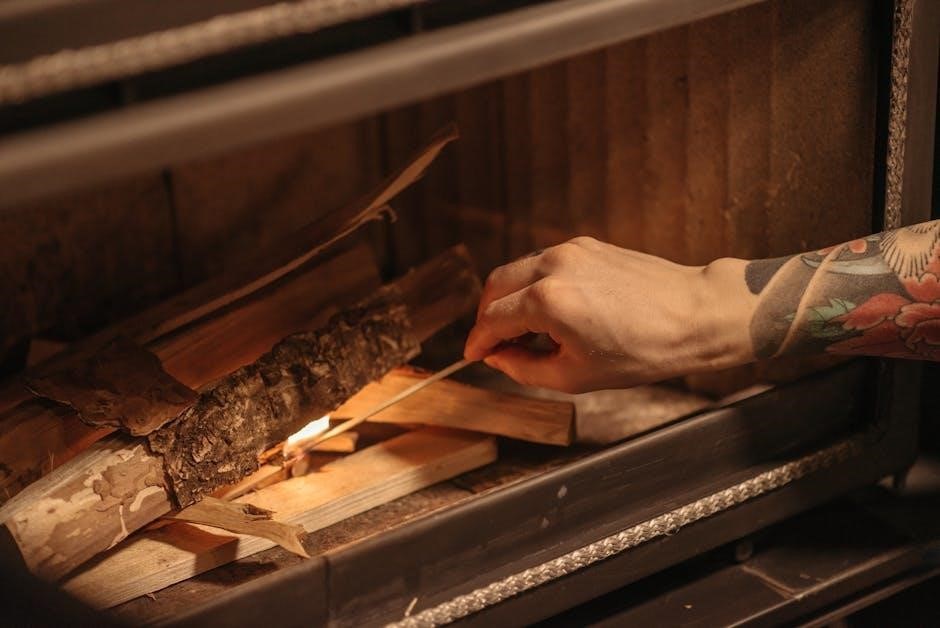
Do not re-enter the building until authorized by qualified professionals. A gas leak is a serious hazard, and professional inspection is crucial.
Advanced Troubleshooting: Electronic Ignition Systems
Napoleon fireplaces with electronic ignition systems can present complex troubleshooting challenges. Begin by verifying the power supply to the fireplace, checking both the circuit breaker and the wall switch. Inspect the wiring connections to the ignition module for looseness or corrosion.
A faulty ignition module is a common cause of ignition failure; testing with a multimeter can confirm its functionality. Examine the spark electrode for damage or buildup, cleaning it gently with fine sandpaper if necessary. Ensure proper grounding of the fireplace to prevent electrical interference.
If issues persist, consult a qualified technician for advanced diagnostics and component replacement.
Napoleon Fireplace Error Codes & Meanings
Napoleon gas fireplaces utilize error codes to diagnose operational problems. A flashing error code on the control panel indicates a specific issue requiring attention. Code 1 often signifies a flame rollout detection, potentially due to improper log placement or airflow obstruction. Code 2 typically points to a thermopile issue, affecting the gas supply.
Code 3 may indicate a low gas pressure situation, requiring professional inspection of the gas line. Code 4 often relates to an over-temperature condition, triggering a safety shutdown. Refer to your specific model’s manual for a complete list and detailed explanations of all error codes.
Always disconnect power before attempting any repairs and consult a qualified technician if unsure.
Replacing Common Parts
Replacing worn components is often a straightforward DIY task, extending your Napoleon gas fireplace’s lifespan. A frequently replaced part is the thermocouple, vital for gas valve operation; disconnect the gas supply before removal and carefully install the new one. Gas valve replacement requires more expertise, involving gas line disconnection and reconnection – professional assistance is highly recommended.
Pilot assemblies can also fail, necessitating replacement. Ensure the new assembly is compatible with your model. Always test for gas leaks after any component replacement using a gas leak detector solution. Refer to your fireplace’s manual for specific part numbers and detailed instructions.
Gas Valve Replacement
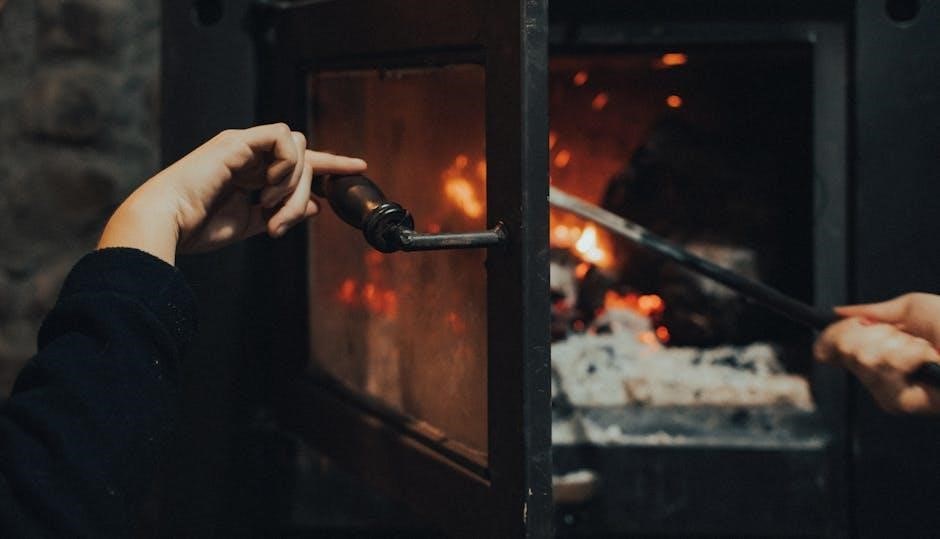
Gas valve replacement is a critical repair best left to qualified professionals due to inherent gas safety risks. Before beginning, completely shut off the gas supply to the fireplace. Disconnect the electrical connection to the valve, then carefully disconnect the gas line, ensuring no leaks occur.
Install the new gas valve, applying gas-rated pipe sealant to all threaded connections. Reconnect the gas line and electrical wiring, verifying correct polarity. Thoroughly test for gas leaks using a leak detection solution after restoring gas supply. Improper installation can lead to dangerous gas leaks or malfunction, so prioritize safety and professional expertise.
Thermocouple Replacement
Thermocouple replacement is often necessary when a pilot light repeatedly fails to stay lit. Begin by shutting off the gas supply to the fireplace. Carefully remove the old thermocouple, noting its position and securing hardware. Clean the pilot light assembly, removing any debris that could obstruct proper operation.
Install the new thermocouple, ensuring it’s securely positioned near the pilot light flame. Reconnect any associated wiring. Restore the gas supply and test the pilot light; it should now remain lit consistently. If issues persist, double-check the thermocouple placement and gas pressure. A faulty thermocouple prevents safe fireplace operation.
Winterizing Your Napoleon Gas Fireplace
Winterizing your Napoleon gas fireplace ensures efficient and safe operation during colder months. Before the first freeze, inspect the gas line for leaks and ensure proper ventilation is clear of obstructions like snow or ice. Check the pilot light and ignition system for reliable performance.
Consider a professional inspection to verify all components are functioning optimally. If the fireplace won’t be used for an extended period, shut off the gas supply at the valve. Regularly inspect the venting system throughout winter to prevent carbon monoxide buildup. Proper winterizing safeguards your home and fireplace.
Professional Inspection & Servicing
Regular professional inspection and servicing are vital for maintaining your Napoleon gas fireplace’s safety and efficiency. A qualified technician can thoroughly assess the gas valve, burner assembly, and venting system for potential hazards or wear. They’ll check for gas leaks, carbon monoxide emissions, and proper combustion.
Annual servicing ensures optimal performance and extends the fireplace’s lifespan. Technicians can also diagnose and repair complex issues, like electronic ignition problems, that are beyond DIY capabilities. Don’t attempt repairs yourself if you’re uncomfortable; professional expertise guarantees a safe and reliable heating solution.

Finding Napoleon Fireplace Manuals & Support
Accessing official Napoleon fireplace manuals is crucial for understanding your specific model’s features and maintenance requirements. The Napoleon website offers a comprehensive library of downloadable manuals, categorized by fireplace type and year. You can search by model number for quick access to detailed instructions.
Beyond manuals, Napoleon provides extensive online support, including FAQs, troubleshooting guides, and video tutorials. For personalized assistance, contact their customer support team via phone or email. Numerous online forums and communities also offer valuable insights and shared experiences from other Napoleon fireplace owners, fostering a helpful network.
Understanding Gas Types & Compatibility
Napoleon gas fireplaces are designed to operate with either natural gas or propane, but conversion kits are often required to switch between the two. It’s vital to verify your fireplace is configured for the correct gas type before installation or operation. Using the incorrect gas can lead to inefficient combustion, safety hazards, and voided warranties.
Natural gas is typically supplied by a utility company, while propane is stored in tanks. Ensure your gas supply meets the fireplace’s BTU requirements. Always consult the fireplace’s manual and a qualified technician to confirm compatibility and perform any necessary conversions safely and correctly. Incorrect gas type usage is a serious safety concern.
Leave a Reply
You must be logged in to post a comment.